
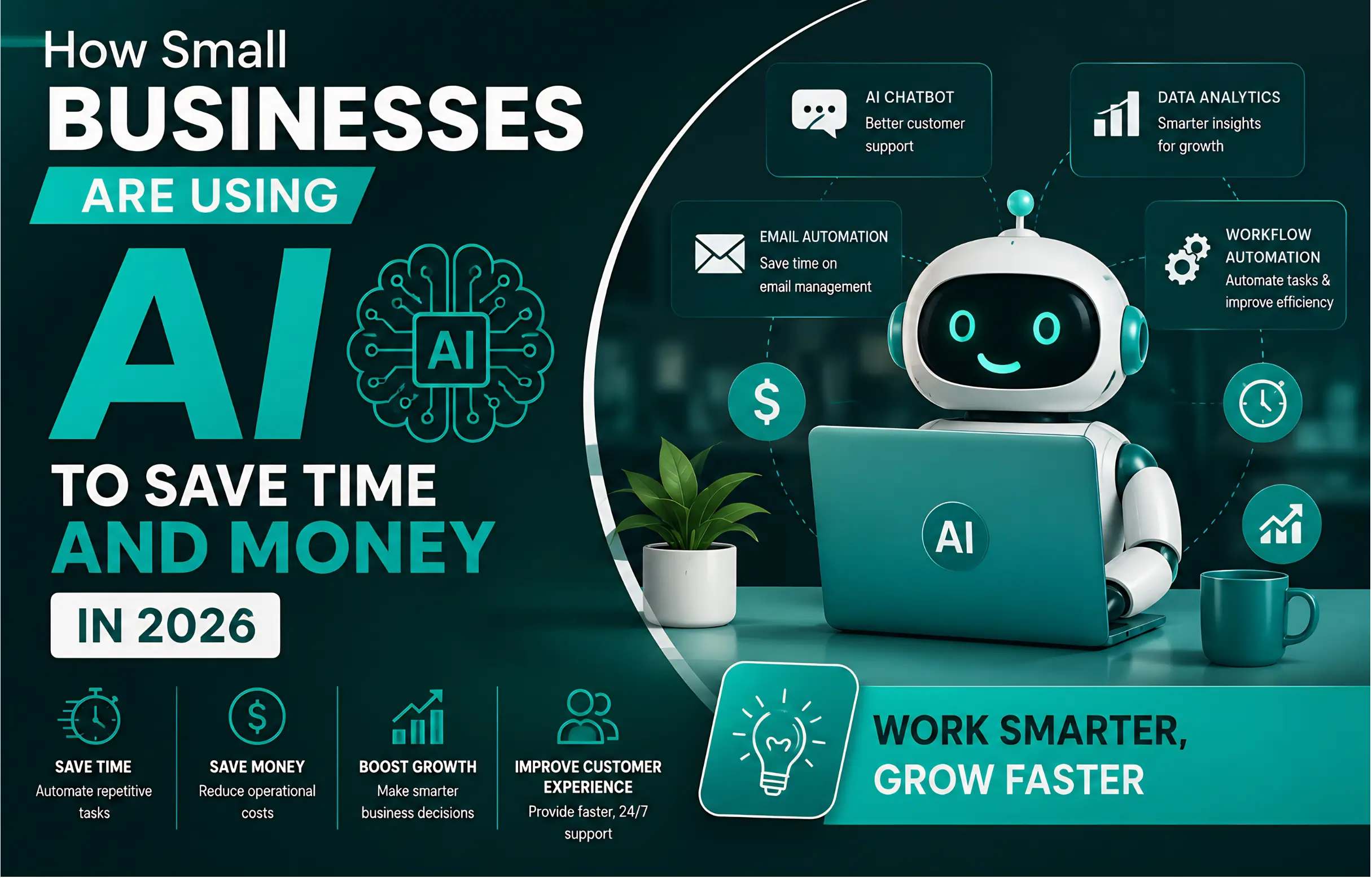
Artificial intelligence is no longer something only large corporations can afford.
In 2026, small businesses are using AI every day to automate repetitive tasks, improve customer service, reduce operational costs, and grow faster without hiring massive teams. What once required expensive software and full-time employees can now be handled with smart AI tools at a fraction of the cost.
From ecommerce stores and marketing agencies to local service businesses and startups, AI has become one of the biggest competitive advantages for modern companies.
The businesses adopting AI early are saving time, improving efficiency, and scaling operations faster than competitors still relying on manual processes.
So the real question is no longer:
“Should small businesses use AI?”
It’s:
“How can small businesses use AI effectively without wasting money?”
This guide explains exactly how small businesses are using AI in 2026, which AI tools are creating the biggest impact, and how companies are reducing costs while increasing productivity through automation.
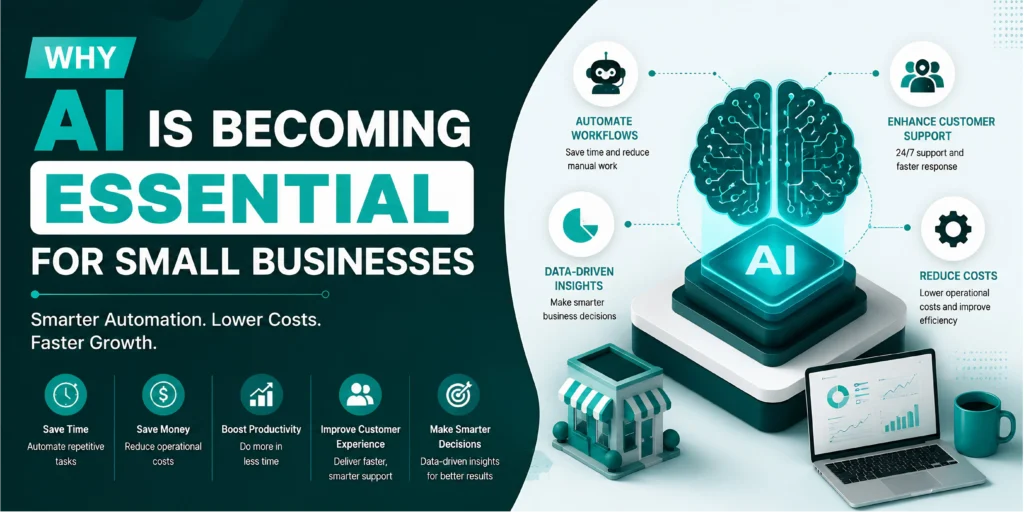
Why AI Is Becoming Essential for Small Businesses
A few years ago, AI tools were expensive, complicated, and mostly used by enterprise-level companies.
That has changed completely.
Today, AI-powered software is affordable, easy to use, and accessible to businesses of all sizes. Even a small startup with a limited budget can automate workflows, create content, manage customer support, analyze data, and improve operations using AI.
The biggest reason AI adoption is growing among small businesses is simple:
👉 Small teams need to do more work in less time.
Business owners are constantly balancing:
- customer support
- marketing
- operations
- sales
- administration
Without automation, growth becomes difficult.
This is where AI for small businesses creates a huge advantage.
Instead of hiring multiple employees for repetitive tasks, businesses are now using AI tools to:
- answer customer questions
- schedule appointments
- generate marketing content
- manage emails
- automate reporting
- improve workflows
And the result is significant time and cost savings.
How Small Businesses Use AI for Daily Operations
One of the biggest misconceptions about AI is that it only works for highly technical industries.
In reality, most small businesses use AI for simple operational improvements.
These improvements may seem small individually, but together they save hundreds of hours every month.
Here are some of the most common ways businesses are using AI in daily operations.
AI-Powered Customer Support
Customer service is one of the most time-consuming parts of running a business.
Hiring support agents can be expensive, especially for startups and growing companies.
This is why many businesses are now using AI chatbots and AI assistants to handle customer communication.
Modern AI chatbots can:
- answer common questions
- provide order updates
- schedule appointments
- recommend products
- assist users 24/7
Instead of waiting hours for replies, customers receive instant responses.
This improves customer experience while reducing support costs.
Many ecommerce stores now use AI-powered customer support to manage thousands of customer interactions without expanding their support teams.
AI for Content Creation and Marketing
Marketing is another area where AI is transforming small businesses.
Creating blogs, social media posts, ad copy, email campaigns, and product descriptions manually takes enormous time.
Now businesses use AI-powered writing tools to speed up content production.
Companies are using tools from organizations like OpenAI to:
- generate blog outlines
- write email drafts
- create social media captions
- brainstorm campaign ideas
- improve copywriting
This doesn’t mean AI completely replaces human creativity.
The smartest businesses combine:
- AI speed with human editing and strategy
This hybrid approach allows small teams to produce more content without dramatically increasing marketing expenses.
AI Automation for Scheduling and Administration
Administrative work often consumes hours that business owners could spend on growth.
AI scheduling tools now automate:
- meeting bookings
- reminders
- appointment confirmations
- follow-up emails
Instead of manually managing calendars and customer communication, AI handles repetitive administrative tasks automatically.
This is especially useful for:
- agencies
- consultants
- healthcare providers
- local service businesses
Automation reduces mistakes and improves efficiency.
Best AI Tools for Small Businesses in 2026
The number of AI tools available today is overwhelming.
But not every AI tool provides real business value.
The best AI tools for small businesses are the ones that solve actual operational problems and save measurable time.
Here are some categories businesses are investing in heavily in 2026.
AI Chatbots
AI chatbots are becoming standard for websites and ecommerce stores.
Businesses use them to:
- automate customer service
- qualify leads
- improve response times
- increase conversions
Chatbots reduce the need for large support teams while improving customer satisfaction.
AI Writing Tools
Content creation tools help businesses produce:
- blogs
- newsletters
- product descriptions
- social media content
This dramatically reduces content production time.
Businesses that previously published one article per month can now scale content marketing much faster.
AI Design Tools
Small businesses are also using AI-powered design tools to create:
- graphics
- social media visuals
- presentations
- marketing materials
This reduces dependency on expensive design resources for simple tasks.
AI Analytics and Reporting Tools
AI analytics software helps businesses understand:
- customer behavior
- sales trends
- website performance
- marketing ROI
Instead of manually reviewing spreadsheets, business owners receive actionable insights instantly.
How AI Saves Time for Businesses
One of the biggest benefits of AI automation for businesses is time savings.
Time is one of the most valuable resources for small business owners.
Most entrepreneurs spend too much time on repetitive operational tasks instead of focusing on strategy and growth.
AI changes this.
Here’s how businesses are saving time using AI in 2026.
Automating Repetitive Tasks
Tasks like:
- responding to emails
- categorizing leads
- organizing data
- scheduling meetings
can now be automated completely.
What previously required hours each week can now happen automatically in the background.
Faster Decision Making
AI tools can process large amounts of information quickly.
This helps businesses:
- identify trends
- predict customer behavior
- analyze campaigns
- improve operations faster
Instead of relying on guesswork, businesses make smarter decisions using data-driven insights.
Improved Productivity
Employees spend less time on repetitive manual work and more time on high-value tasks.
This improves overall productivity without increasing payroll expenses.
For many businesses, AI acts like an additional team member working 24/7.
How AI Reduces Business Costs
Cost reduction is another major reason businesses invest in AI.
Hiring employees for every operational task is expensive.
AI helps businesses operate more efficiently without constantly expanding their teams.
Lower Customer Support Costs
AI chatbots reduce the need for large support teams.
Businesses can handle more customer inquiries without increasing staffing costs.
Reduced Marketing Expenses
AI tools speed up content production and campaign management.
This allows businesses to maintain consistent marketing efforts with smaller teams.
Better Operational Efficiency
AI automation reduces:
- human error
- duplicated work
- manual processes
This improves operational efficiency and lowers overhead costs.
AI Automation Examples for Small Businesses
The best way to understand AI adoption is through real-world examples.
Here are some practical examples of how businesses use AI daily.
Ecommerce Businesses
Online stores use AI for:
- personalized product recommendations
- customer support chatbots
- automated email marketing
- inventory forecasting
This improves sales while reducing operational workload.
Marketing Agencies
Agencies use AI to:
- generate content ideas
- create ad copy
- analyze campaign data
- automate reporting
This allows agencies to serve more clients efficiently.
Local Service Businesses
Local businesses use AI scheduling systems and automated communication tools to manage appointments and customer inquiries.
This improves customer experience while saving administrative time.
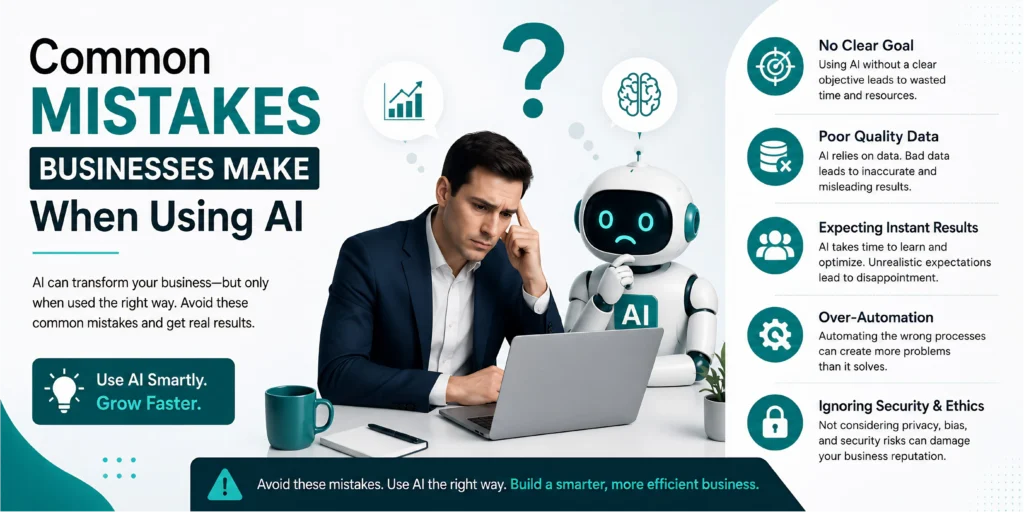
Common Mistakes Businesses Make When Using AI
- Despite the benefits, many businesses use AI incorrectly.
- One of the biggest mistakes is trying to automate everything immediately.
- AI should improve workflows not create unnecessary complexity.
- Another mistake is relying entirely on AI-generated content without human editing.
- Businesses that combine AI with human oversight achieve much better results.
- It’s also important to choose tools carefully.
- Not every AI platform provides real value.
- The best approach is starting with one or two automation areas and scaling gradually.
The Future of AI for Small Businesses
AI adoption among small businesses will continue growing rapidly.
In the next few years, AI will become integrated into nearly every business workflow.
Businesses that adapt early will gain significant competitive advantages.
We’re already seeing AI improve:
- ecommerce
- customer service
- marketing
- operations
- project management
- analytics
The businesses resisting AI adoption may struggle to compete with faster, more efficient competitors.
Should Small Businesses Invest in AI in 2026?
For most businesses, the answer is yes.
AI is no longer optional for companies trying to scale efficiently.
The key is not replacing humans completely.
The real value comes from using AI to:
- automate repetitive work
- improve efficiency
- support teams
- save time
- reduce operational costs
Businesses that use AI strategically can grow faster while keeping costs manageable.
But implementing AI effectively requires the right strategy.
At Dotix, we help businesses integrate AI solutions that improve productivity, automate workflows, and reduce operational costs.
Whether you need:
- AI chatbots
- workflow automation
- AI-powered websites
- business automation systems
Our team can help you build scalable solutions tailored to your business.
Get a free consultation today and discover how AI can help your business save time and money in 2026.
Frequently Asked Questions
What is AI for small businesses?
AI for small businesses refers to artificial intelligence tools and software used to automate tasks, improve efficiency, reduce costs, and support business operations.
How are small businesses using AI in 2026?
Small businesses are using AI for customer support, content creation, workflow automation, analytics, marketing, and operational efficiency.
What are the best AI tools for small businesses?
Popular AI tools include AI chatbots, content generation tools, automation software, AI analytics platforms, and AI-powered customer support systems.
Can AI help reduce business costs?
Yes. AI reduces operational costs by automating repetitive tasks, improving efficiency, and reducing the need for large support teams.
Is AI affordable for small businesses?
Many AI tools are now affordable and subscription-based, making them accessible even for startups and small companies.
Can AI replace employees completely?
AI can automate repetitive tasks, but human creativity, decision-making, and strategy remain essential for business success.
Why should businesses invest in AI?
Businesses investing in AI can improve productivity, save time, reduce costs, and gain a competitive advantage in modern markets.
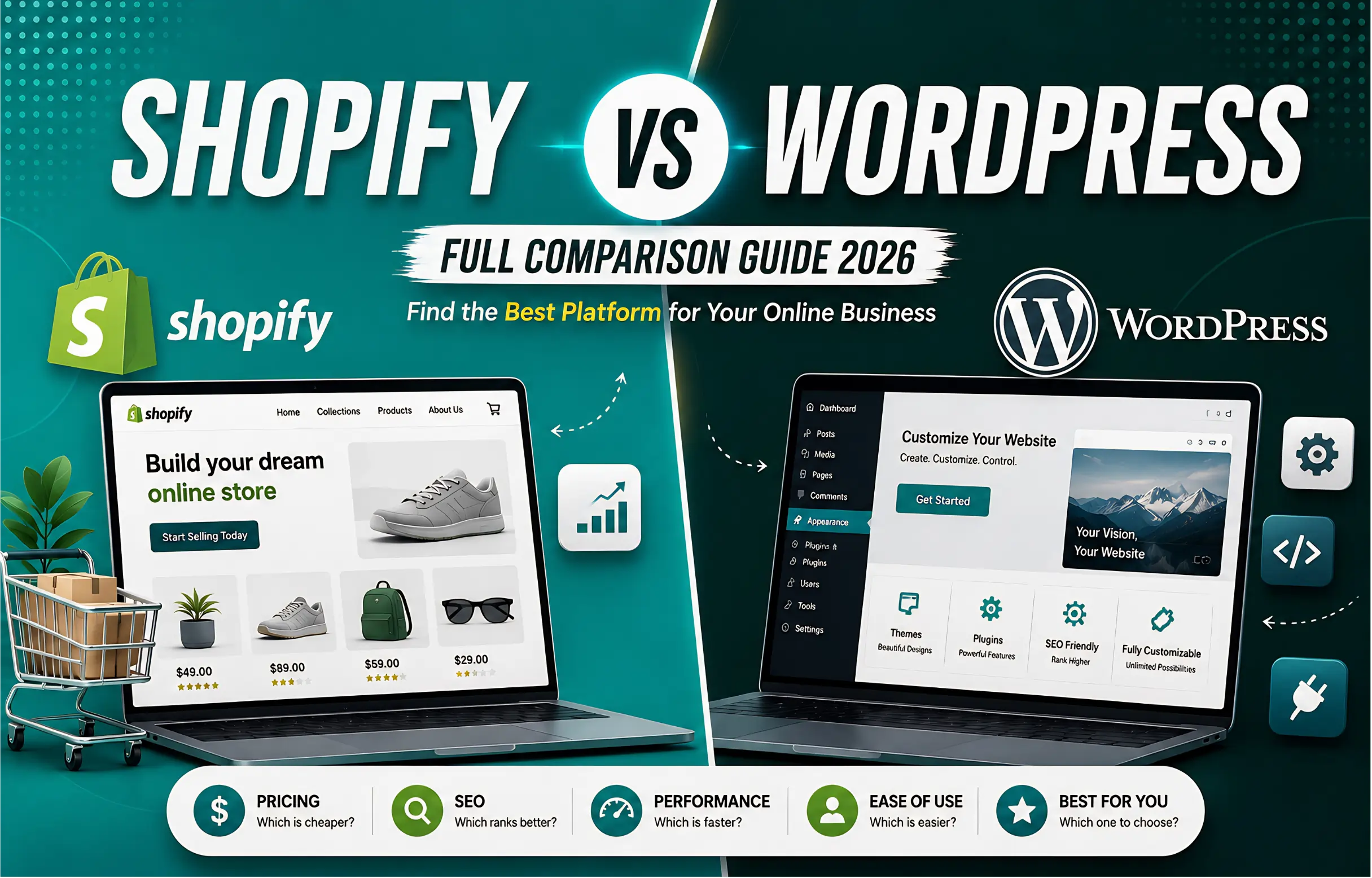
Shopify vs WordPress – Full Comparison (2026 Guide for Beginners & Businesses)
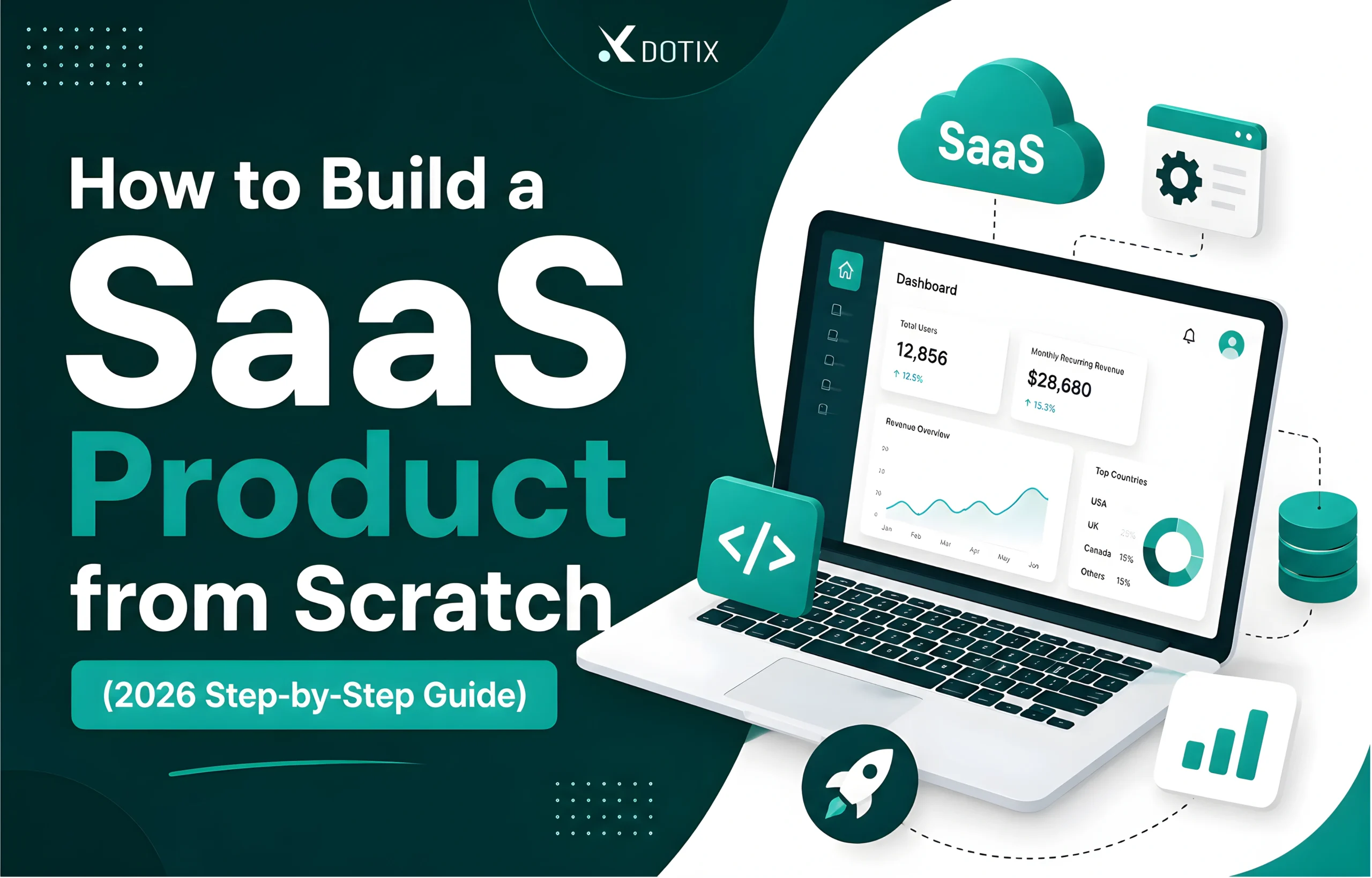
How to Build a SaaS Product from Scratch (2026 Step-by-Step Guide)



 Web & Design
  Development
  Seo Expert
  Online Marketing
  Industries